

Event reports
-
What are the foundations to your remediation?
Earthworks, or the use of engineered fill, is now a frequent activity as sites need to be prepared before house building can take place. In this Network event, speakers from NHBC’s Land Quality Service team explained the newly published addition to the NHBC’s Standards, Chapter 4.6 - Engineered Fill.
View the report -
Increasing the protection from radon gas
As construction and installation methods change, guidance on protective measures against radon gas intrusion needed updating. At our online Brownfield and Regeneration Network event, a range of speakers outlined the changes to BR211: Guidance on Protective Measures for New Dwellings
View the report -
Evaluating remediation benefits through natural capital
This Expert Talk, held in partnership with Jacobs, the Environment Agency (EA) and the British Geological Survey, presented current research conducted for the EA on the development of a novel natural capital approach. This approach is used to evaluate the sustainability benefits from remediating and redeveloping contaminated brownfield sites.
View the report
News analysis
-
GLA-owned developer likely to happen
A London owned developer is on the cards with Labour saying it will create the body, if elected, to intervene at key housing sites and ease tensions between councils and developers.
-
Brownfield review: Edinburgh | Sheffield | Stockton | Grantham | Castle Point
Edinburgh Development backed, key Sheffield brownfield reaches milestone, long term remediated site in Stockton to get homes, and protests at South Kesteven over the local plan and on the Leicestershire borders over an anaerobic digester, and badgers are a concern at Castle Point.
-
Contaminated land: Hauxton | Trafford | Puriton | Ynysddu | Brighton
Contaminated clean-up concerns at Hauxton, drainage worries at Trafford, remediation work at Puriton, remedial options for leaking quarry in Wales, a vote on Zane's Law in Brighton and work starts on eroded landfill at Lynemouth.
-
Stoke-on-Trent Council sell shares in regen company
The Labour led council says the £5m it received is good value, but the Conservatives say the council should have retained the land or demanded a covenant.
Events
-
 awards
Sustainability Delivery Awards Ceremony
Boston, MA -
 awards
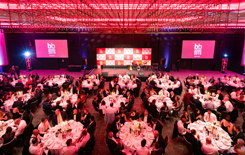
Brownfield Awards Ceremony 2024
Kimpton Clocktower Hotel, Manchester