

Event reports
-
What are the foundations to your remediation?
Earthworks, or the use of engineered fill, is now a frequent activity as sites need to be prepared before house building can take place. In this Network event, speakers from NHBC’s Land Quality Service team explained the newly published addition to the NHBC’s Standards, Chapter 4.6 - Engineered Fill.
View the report -
Increasing the protection from radon gas
As construction and installation methods change, guidance on protective measures against radon gas intrusion needed updating. At our online Brownfield and Regeneration Network event, a range of speakers outlined the changes to BR211: Guidance on Protective Measures for New Dwellings
View the report -
Evaluating remediation benefits through natural capital
This Expert Talk, held in partnership with Jacobs, the Environment Agency (EA) and the British Geological Survey, presented current research conducted for the EA on the development of a novel natural capital approach. This approach is used to evaluate the sustainability benefits from remediating and redeveloping contaminated brownfield sites.
View the report
News analysis
-
BPF wants wider definition of ‘brownfield presumption’
The British Property Federation wants the brownfield presumption to capture a wider range of development which takes place in an urban setting including mixed use commercial development.
-
Stoke-on-Trent Council sell shares in regen company
The Labour led council says the £5m it received is good value, but the Conservatives say the council should have retained the land or demanded a covenant.
-
HBF says changes to NPPF need reassessment
In a critique of the influential 2004 Barker report on housing supply, HBF says there has been limited progress over 20 years with only 11 of the 36 recommendations currently implemented in full.
-
Business: Mapletree | McAteer & Rushe | Knighthead Capital | Blackstone
Mapletree in £1bn student accommodation deal, as McAteer & Rushe get construction contract, Knighthead Capital and Birmingham FC buy 48-acre site for Sports Quarter and Blackstone buys the former Britishvolt site to create data centre.
Events
-
 awards
Sustainability Delivery Awards Ceremony
Boston, MA -
 awards
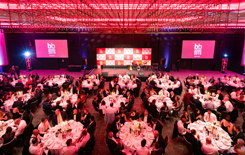
Brownfield Awards Ceremony 2024
Kimpton Clocktower Hotel, Manchester